
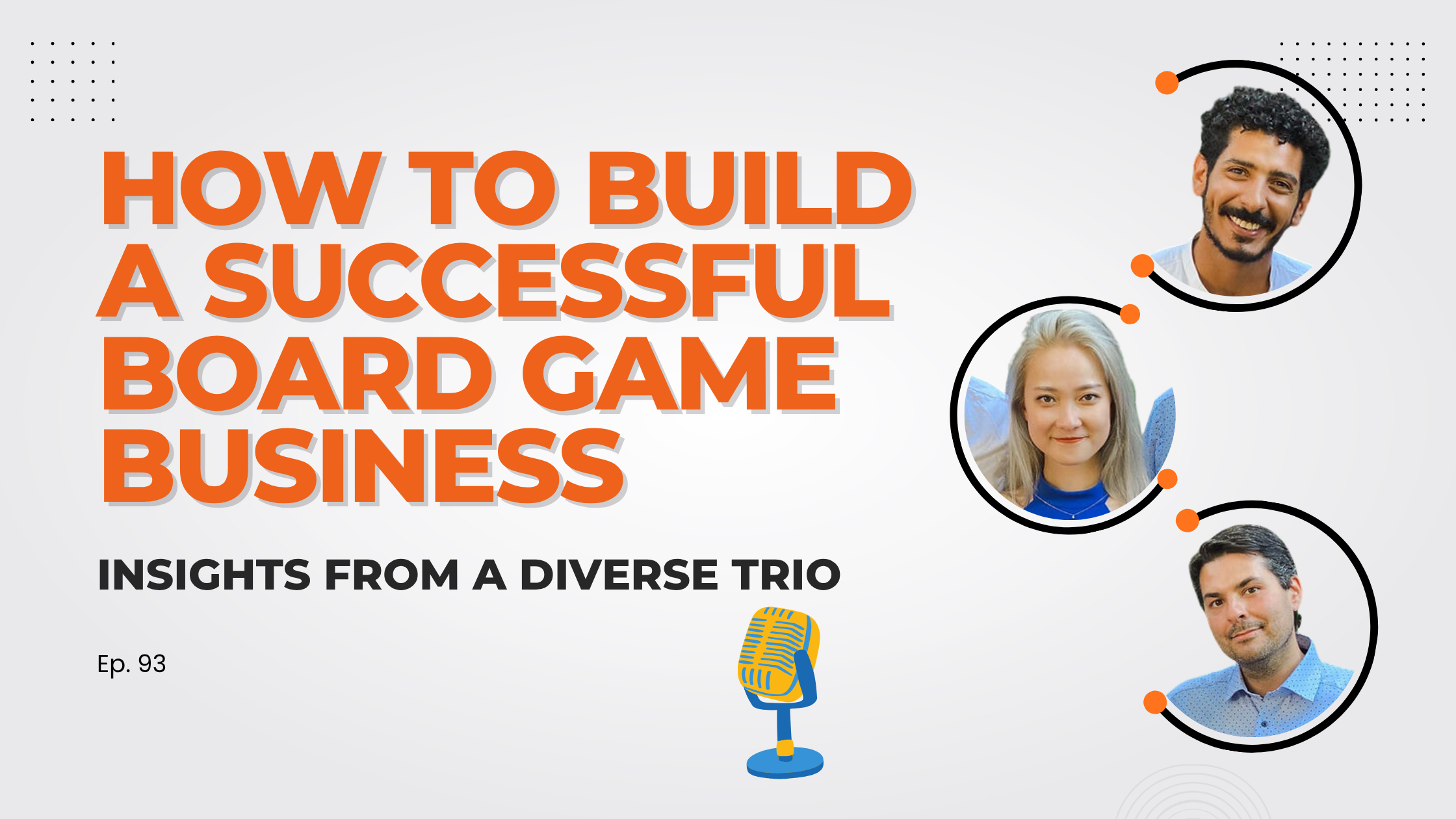
In this episode of Toy Business Unboxed, we dive into the journey of Pektis Studio, a board game company founded by three individuals from diverse professional backgrounds. Their story is a testament to how varied skills can converge to create something unique and successful. This post highlights key insights from their discussion, offering valuable lessons for aspiring entrepreneurs in the board game industry.
Episode Highlight
- 01:21 Meet the Pektis Studio team
- 02:40 The “Shared Passion” origin story
- 04:31 Architecture to game design
- 07:33 The Three Pillars of board games
- 09:08 Creating Wanderlust in lockdown
- 14:00 Theme vs. mechanics
- 18:52 A game is never “finished”
- 21:11 Personal connection over paid ads
- 28:08 The Postcard marketing strategy
- 34:01 Self-Publishing vs. Licensing
- 43:18 Essential advice for new designers
Diverse Skills Enhance Creativity
The founders of Pektis Studio come from architecture, education, and visual design backgrounds. This diversity has been their strength, allowing them to approach game design with a unique perspective that combines structure, storytelling, and user experience.
The Three Pillars of Game Design
Their approach to game design is built on three pillars: design and user experience, community and marketing, and production and distribution. This framework ensures a holistic approach to creating and launching a game.
Community Building Over Advertising
For Pektis Studio, building a community has been more effective than traditional advertising. Engaging directly with fans through social media and conventions has fostered a loyal following that supports their projects.
The Importance of Theme in Game Design
Starting with a strong theme is crucial. For their game Wanderlust, the theme of travel during the pandemic resonated with many, providing a foundation for engaging mechanics and storytelling.
Continuous Improvement Through Feedback
A game is never truly finished. Continuous playtesting and community feedback are essential for refining and improving the game even after its launch.
Self-Publishing for Creative Control
Choosing to self-publish allowed Pektis Studio to maintain creative control over their projects. While it involves more risk and effort, the reward of seeing their vision come to life is invaluable.
Strategic Decision-Making in Publishing
Deciding between self-publishing and licensing is a critical decision. It involves weighing the desire for creative control against the benefits of broader distribution through established publishers.
Conclusion
The journey of Pektis Studio illustrates the power of diverse skills and community engagement in building a successful board game business. By focusing on their strengths and maintaining a clear vision, they have navigated the challenges of the industry with resilience and creativity.
To stay updated with the latest episodes of Toy Business Unboxed and embark on your own journey into the toy business, don’t forget to subscribe and follow the podcast. If you found this episode insightful, please leave a rating and review, and share the podcast with fellow toy enthusiasts. Let’s embrace the world of toys together, staying curious and continuing to innovate.
Guest Contact Information
If you’re interested in learning more about Pektis Studio or connecting with the founders, you can reach out through the following channels:
- Website: pektis.com
- Socials: pektis.studio