
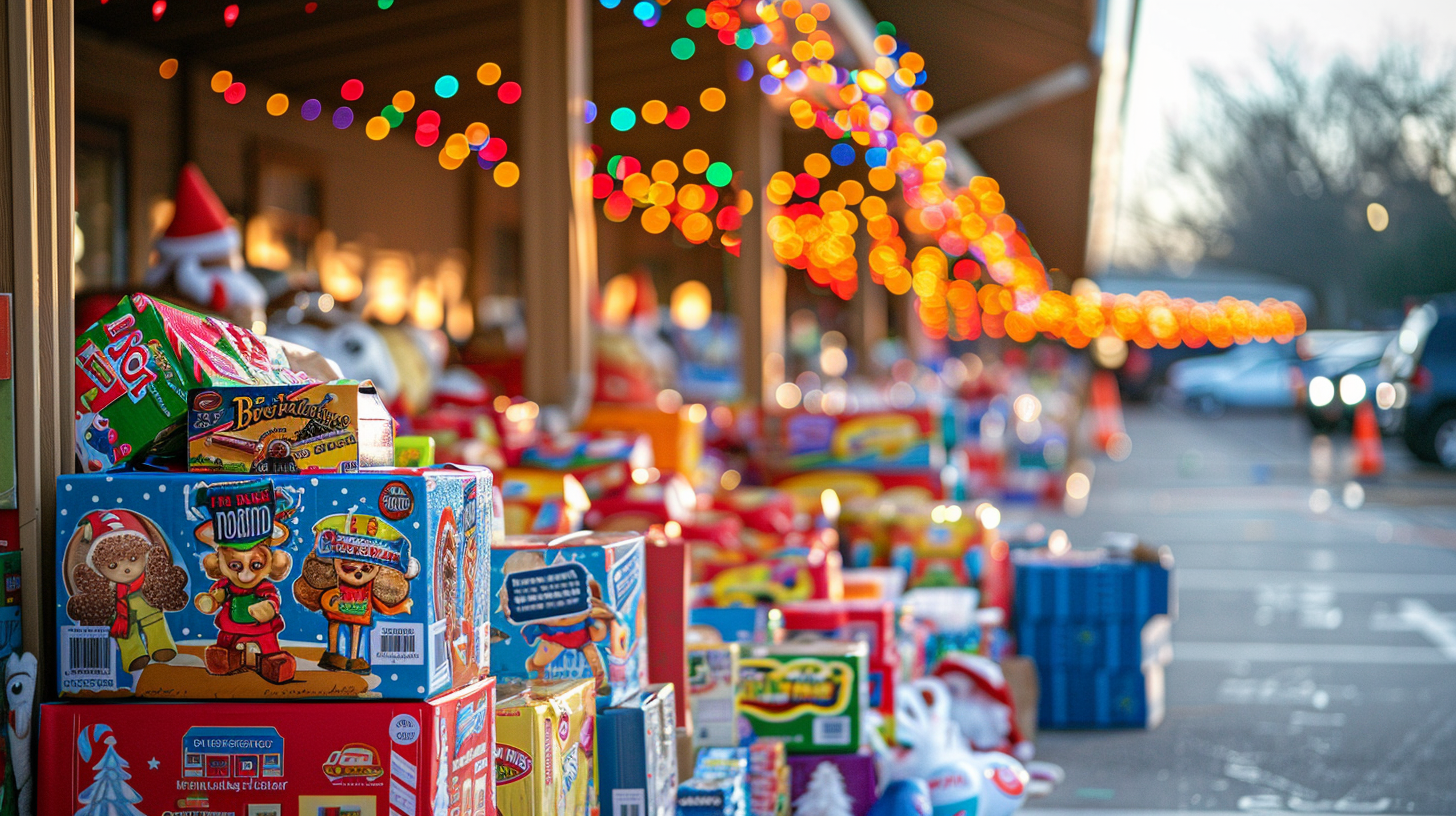
Just as you’re about to grab a toy off the shelf, you notice its eye-catching packaging. You’re not alone in this experience; toy packaging plays a significant role in influencing consumer choices. It’s not just about pretty colors and flashy designs, though. You’ll find that packaging conveys important information about safety, quality, and age-appropriateness. It also builds brand recognition and trust. But there’s more to it than meets the eye. The impact of toy packaging on purchasing decisions goes deeper, touching on psychological triggers and evolving consumer preferences. What other factors might be at play in this seemingly simple interaction?
View Table Of Contents
Key Takeaways
- Visual appeal of packaging attracts attention and influences purchasing decisions through color, design, and materials.
- Safety and quality perception is communicated through sturdy packaging and clear labeling of safety features.
- Brand recognition and trust are reinforced by consistent packaging design and unique elements that differentiate products.
- Age-appropriate design elements in packaging resonate with specific target audiences and their developmental stages.
- Eco-friendly packaging appeals to environmentally conscious consumers and communicates brand values effectively.
Visual Appeal and Attention
Toy packaging’s visual appeal plays an essential role in capturing consumers’ attention and influencing their purchasing decisions. When you’re designing packaging for your toy products, it’s important to understand how visual elements can make or break a sale. Color psychology plays a significant role in this process, as different hues evoke specific emotions and associations in potential buyers.
Consider how bright, vibrant colors might attract children’s attention, while more subdued tones could appeal to parents looking for educational toys. The choice of packaging materials also contributes to visual appeal and can convey important information about your product’s quality and durability. For instance, sleek, modern materials might suggest a high-tech toy, while eco-friendly packaging could appeal to environmentally conscious consumers.
Remember that your packaging is often the first point of contact between your product and potential customers. It needs to stand out on crowded shelves and communicate your toy’s unique selling points at a glance. By carefully considering visual elements like color, design, and materials, you can create packaging that not only catches the eye but also effectively communicates your product’s value to your target audience.
Safety and Quality Perception
Perception is key when it comes to toy packaging and its influence on consumer choices. When parents or gift-givers browse the toy aisles, they’re not just looking for something fun; they’re also subconsciously evaluating the safety and quality of the products. Packaging plays a vital role in this assessment.
The materials used in packaging can greatly impact a consumer’s perception of a toy’s safety. High-quality, sturdy packaging suggests that the manufacturer has invested in protecting the product, which often translates to a belief that the toy itself is well-made and safe. Packaging durability also factors into this equation. A package that feels robust and secure can instill confidence in the buyer, implying that the toy inside is equally well-constructed.
Clear labeling of safety features and age recommendations on the packaging further reinforces the perception of quality and care. When you see detailed information about product materials and safety compliance, it reassures you that the manufacturer prioritizes child safety. This transparency can be a deciding factor in your purchase decision, as it demonstrates the brand’s commitment to producing toys that meet or exceed safety standards.
Brand Recognition and Trust
For toy entrepreneurs, brand recognition and trust are essential factors that can make or break a product’s success. When consumers recognize your brand on store shelves or online marketplaces, they’re more likely to choose your toys over unfamiliar alternatives. This recognition stems from consistent and memorable packaging design that aligns with your brand identity.
To build brand loyalty, you need to create packaging that stands out and resonates with your target audience. Consider incorporating unique elements that differentiate your products from competitors. This could include distinctive colors, shapes, or innovative packaging materials that align with your brand values.
Packaging innovation can also play a vital role in building trust. By showcasing your commitment to quality and safety through your packaging design, you’re communicating your brand’s values to potential customers. This might involve using eco-friendly materials, highlighting safety certifications, or incorporating interactive elements that engage children and parents alike.
Age-Appropriate Design Elements
When designing packaging for toys, it’s essential to contemplate the age group you’re targeting. The design elements you choose can notably influence a consumer’s decision to purchase your product. For younger children, bright colors and simple shapes are often more appealing, while older kids might prefer more sophisticated designs.
Consider color psychology when selecting your packaging palette. Vibrant primary colors can attract toddlers, while pastels might appeal to younger children. For tweens and teens, bolder, more complex color schemes can be effective. The imagery on your packaging should also reflect the interests and developmental stage of your target age group.
Don’t forget the importance of the tactile experience. Younger children often enjoy packaging with different textures or interactive elements, while older kids might appreciate sleek, modern designs. The font and text size should be age-appropriate as well, ensuring readability for both children and their parents.

Eco-Friendly Packaging Considerations
In today’s eco-conscious market, eco-friendly packaging has become an essential consideration for toy manufacturers. As a toy seller on Amazon, you need to understand the impact of sustainable packaging on consumer choices. Eco-friendly packaging not only appeals to environmentally conscious parents but also aligns with Amazon’s sustainability goals.
When designing your toy packaging, consider using sustainable materials like recycled cardboard, biodegradable plastics, or plant-based alternatives. These choices can notably reduce your product’s environmental footprint and attract eco-minded customers. Packaging innovation plays a vital role in this process, as you’ll need to balance protection, presentation, and sustainability.
Remember that eco-friendly packaging isn’t just about materials; it’s also about minimizing waste. Opt for designs that use less material without compromising product safety. Consider incorporating reusable elements into your packaging, such as boxes that can be repurposed for storage or play.
Frequently Asked Questions
How Does Toy Packaging Affect the Perceived Value of a Product?
Your toy’s packaging greatly impacts perceived value. It’s not just about looks; sustainable materials can elevate your product’s worth. Packaging with emotional appeal can create a connection, making customers feel they’re getting more than just a toy.
Can Innovative Packaging Designs Increase Impulse Purchases for Toys?
Yes, innovative packaging can boost impulse purchases. You’ll see increased sales when you incorporate sustainability practices and sensory appeal. Eye-catching designs, tactile elements, and eco-friendly materials capture attention and trigger spontaneous buying decisions in toy shoppers.
What Role Does Cultural Sensitivity Play in Toy Packaging Design?
Cultural sensitivity in toy packaging design plays a vital role. You’ll find that culturally representative packaging aesthetics can greatly impact consumer perceptions. It’s important to take into account diverse cultural perspectives when creating packaging to guarantee broad market appeal and inclusivity.
How Do Seasonal Packaging Variations Impact Toy Sales Throughout the Year?
You’ll find that seasonal themes and packaging colors greatly impact toy sales throughout the year. Holiday-themed packaging attracts consumers during specific periods, while seasonal color schemes can boost visibility and appeal, driving sales during targeted times.
Does Collectible Packaging Influence Long-Term Brand Loyalty Among Toy Consumers?
Collectible packaging can foster long-term brand loyalty. It taps into nostalgic appeal, especially for adult collector demographics. You’ll find that unique, limited-edition designs often create emotional connections, encouraging repeat purchases and brand commitment over time.
Final Thoughts
You’ve seen how toy packaging acts as a silent salesperson, influencing your choices through visual appeal, safety assurances, and brand recognition. It’s the gateway to a product’s perceived value, much like a book’s cover entices readers. Data shows that eco-friendly packaging and age-appropriate design elements greatly impact purchase decisions. As you navigate the toy aisle, remember that packaging isn’t just a wrapper; it’s a powerful tool shaping consumer behavior and market trends.



Leave a Reply