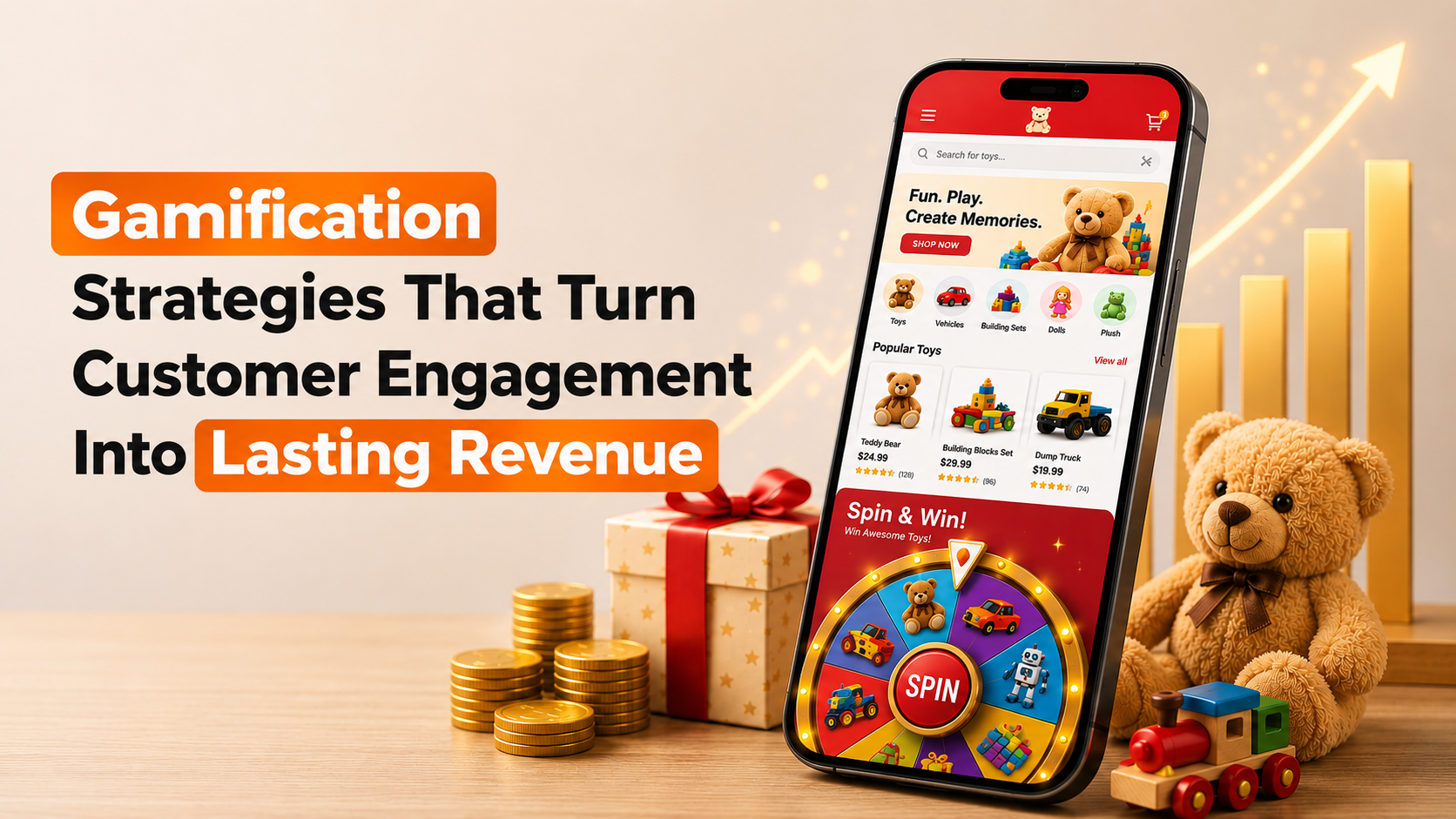
In today’s competitive toy and game industry, capturing consumer attention is harder than ever. How do you turn passive viewers into active participants and loyal customers? The answer lies in an increasingly popular strategy: gamification. This approach applies game-like mechanics, points, rewards, challenges, outside traditional gaming environments to boost engagement, retention, and conversion. This post breaks down the essentials of gamification in marketing, illustrating how small and large businesses alike are turning play into profit.
In 53 minutes, you’ll discover:
- How gamification can transform marketing strategies by increasing engagement and conversion rates.
- Real-life case studies of successful gamification in the toy and game industry.
- Practical tips for implementing gamification to boost customer loyalty and sales.
View Table Of Contents
How to Use Gamification in Marketing: Practical Strategies for Toys and Games Brands
Are you leveraging gamification to boost engagement, retention, and revenue in your toys or games business? If not, you’re missing out on one of the most powerful tools in digital marketing today. In this post, you’ll learn how gamification works, why it resonates with human psychology, and actionable tactics tailored specifically for the toys and games industry. With insights from industry expert , founder of Toy Launch, this guide will help you turn play into profit using the same principles that keep social media giants like Facebook and TikTok hooked on their audiences. Whether you’re small or large, implementing these strategies can elevate your brand and turn customers into loyal fans.
What is Gamification in Marketing?
Gamification is the use of game-like elements such as points, rewards, challenges, and leaderboards to increase user engagement and loyalty outside of gaming environments. It turns passive audiences into active participants by tapping into people’s natural desire for achievement, competition, and recognition. Major platforms like Facebook, Instagram, and TikTok use gamification to encourage continuous interaction and improve user retention. For toy and game brands, this creates more fun, interactive, and rewarding experiences for customers.
Why Does Gamification Work?
Gamification taps directly into human psychology, triggering feelings of achievement, competition, and reward. It increases the time potential customers spend with your content, making them more likely to buy or return.Three core reasons it’s effective:
- More fun shopping: Transforming buying into an entertainment experience deepens emotional connection with your brand.
- Enhanced engagement: Game mechanics create a compelling reason to stop scrolling and participate.
- Repeat behavior: Progress tracking and rewards incentivize users to come back.
Practical Gamification Strategies for Toys & Games Brands
Creating a Points System and Rewards System
Implementing a points system that rewards actions like sharing content, commenting, or visiting your website can enhance engagement. For example, you might give users one point per social media share. You can track these points using third-party tools like Gleam.io or Smile.io, which integrate seamlessly with platforms such as Shopify or WordPress.
Consider running monthly or quarterly giveaways where points earned translate into entries for prizes. Incentives could range from discounts to exclusive toys or early access. Offering limited edition game versions for Kickstarter backers or early supporters can further engage fans and foster a sense of exclusivity.
Leaderboards and Challenges
Introducing leaderboards can foster healthy competition among your audience. By creating challenges such as “Share your best toy build” or “Create a TikTok video featuring our newest game,” you can engage participants and feature top performers prominently. It’s important to keep the rules simple, much like the straightforward gameplay of Uno, which contributes to its universal appeal. Complicated rules can reduce participation, especially on fast-paced social platforms.
Community Engagement & User-Generated Content (UGC)
Encourage customers to submit their content, such as photos of their toy creations or gameplay videos. Share this UGC across your channels. Lego’s community contests and Lego Ideas are prime examples of turning fans into co-creators, fostering a dedicated community that generates authentic content. Build dedicated channels, like Discord groups or Facebook communities, where fans can share their builds, participate in tournaments, and give feedback.
Interactive Social Media Campaigns
Transforming social media into a gamified playground can enhance engagement. Run contests like hashtag challenges or photo submissions to captivate your audience. Use polls and quizzes to reveal personality traits linked to your products. Mimic viral challenges from TikTok or Instagram to boost reach. Simple actions like “Like + Share + Comment” can be incentivized with extra entries or rewards. Additionally, use interactive elements in email and SMS communications, like spin-to-win wheels or exclusive challenges, to drive sign-ups and purchases. Lego’s VIP rewards demonstrate how tiered programs incentivize ongoing engagement, turning one-time buyers into brand insiders.
- Spin-to-Win Wheels: Visitors spin for discounts after entering their email.
- Exclusive Challenges: Offer time-bound challenges with rewards to drive sign-ups and purchases.
- Loyalty Points: Reward repeat purchases or engagement with points that unlock bonuses or discounts.

Case Studies
Pokemon & Limited Editions
Pokemon brilliantly uses scarcity and collectability as gamification. Limited-edition cards or products tend to sell for astronomical prices, fueled by the thrill of scarcity and collectibility. Creating limited editions via Kickstarter campaigns or exclusive online events taps into this psychology, turning fans into active participants.
Lego’s Mastery in Community Engagement and Gamification
Lego has successfully used gamification to turn customers into active participants through building contests and fan-submitted set ideas. Initiatives like Lego Ideas allow fans to contribute concepts that could become official products, making customers feel involved, valued, and connected to the brand. By encouraging creativity and community participation, Lego has strengthened customer loyalty while creating a more interactive and engaging brand experience.
Tools to Make Gamification Easy
- Gleam.io: Automates tracking social actions and creating leaderboards, simplifying participant engagement management.
- Smile.io: Integrates with Shopify to manage reward points, tiers, and referral programs, boosting customer loyalty.
- Discord/Community Platforms: Facilitate fan interaction, building a dedicated brand community.
- Shopify Plugins: Spin-the-wheel popups and countdown timers add interactive elements, enhancing engagement and driving conversions.
Measuring Success: Identify key KPIs
Tracking the right metrics is key to improving your gamification strategy and measuring business growth. Focus on important data like email and SMS opt-ins, engagement rates, conversion rates, and customer lifetime value to understand what drives interaction, sales, and loyalty. By concentrating on a few meaningful metrics and making data-driven adjustments, you can create gamified experiences that are both engaging for customers and effective for long-term business success.
Common Pitfalls to Avoid
Simplify Participation: Avoid Overcomplicating Rules
It’s crucial to keep the mechanics of your gamification strategies simple. By making participation effortless, you lower the barrier for entry and encourage more people to engage. Complex rules can deter potential participants, especially on fast-paced platforms where users seek quick and easy interactions. Simplifying the process ensures that more people can join in and enjoy the experience.
Motivate with Meaningful Rewards
Offering tangible rewards is key to motivating action. Ensure that the incentives you provide are meaningful and desirable to your audience. Whether it’s discounts, exclusive access, or special merchandise, the rewards should be compelling enough to drive participation. By aligning incentives with your audience’s interests, you can boost engagement and encourage repeat interactions.
Align Gamification with Business Goals
Gamification should support your business goals, not just provide entertainment. It’s important to design your strategies in a way that aligns with your overall objectives, whether that’s increasing sales, building brand loyalty, or expanding your audience. By ensuring that your gamification efforts contribute to your business goals, you create a more cohesive and effective strategy.
Promote Your Programs Effectively
To maximize the impact of your gamification efforts, it’s essential to market your rewards across all channels. Promote them on your website, through email campaigns, and on social media platforms. Effective promotion ensures that your audience is aware of the opportunities available and encourages wider participation. Consistent messaging across channels helps reinforce the value of your programs.
Leverage Data for Continuous Improvement
Measuring the success of your gamification strategies is crucial for understanding what works and what doesn’t. By tracking key metrics, you can gain insights into participant behavior and the effectiveness of your campaigns. This data-driven approach allows you to refine your strategies, make informed decisions, and continuously improve your efforts to achieve better results.

Frequently Asked Questions
How can gamification increase customer loyalty for my toy brand?
Gamification creates engaging experiences that reward participation and achievement. This encourages repeat visits and fosters a sense of community, leading to long-term loyalty.
What are some simple gamification ideas I can implement right now?
Start with social media challenges, a spin-the-wheel discount popup, or a basic points program for purchases and engagements. Keep rules simple and rewards meaningful.
Can gamification work for small businesses?
Absolutely. Small businesses can leverage affordable tools and creative campaigns that don’t require huge budgets. Consistency and authenticity matter most.
How do I measure the success of my gamification campaigns?
Track KPIs relevant to your goals—like opt-ins, engagement, conversion rates, and customer lifetime value. Regular analysis guides ongoing improvements.
What pitfalls should I avoid in gamification?
Track KPIs relevant to your goals—like opt-ins, engagement, conversion rates, and customer lifetime value. Regular analysis guides ongoing improvements.
Final Thoughts: Start Small, Scale Up
When implementing gamification, start small with simple contests or reward-based activities, then expand as you learn what drives engagement for your audience. Take inspiration from successful toy and game brands, but adapt ideas to match your own brand voice and community.
Gamification works best as an ongoing process of testing, measuring, and improving based on data and customer response. Even small actions like launching a social media challenge or creating a basic rewards system can help make your brand experience more fun, interactive, and memorable, ultimately turning engagement into long-term growth.
Turn your brand’s content into revenue
Toy Launch builds complete digital marketing systems for toy and game brands — from SEO content to social, ads, email, and SMS.